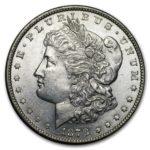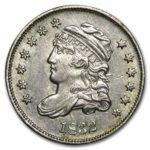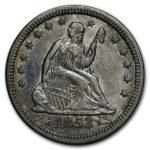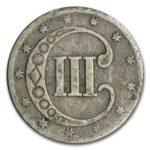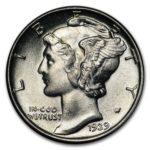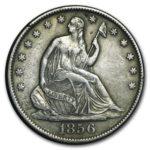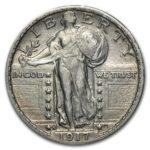
Seated Liberty Dime
(1837 – 1891)
The Liberty Seated Dime is one of those classic coins that never goes out of style for collectors. Struck from 1837 to 1891, it holds a ton of history and charm. Whether you’re just dipping your toes into numismatics, or you’ve been at it for a while, this coin offers an awesome challenge and some real beauty. I’ve got a few myself—and while my collection isn’t complete yet, I’m still holding out hope. Someday.
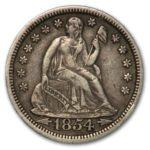
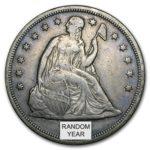
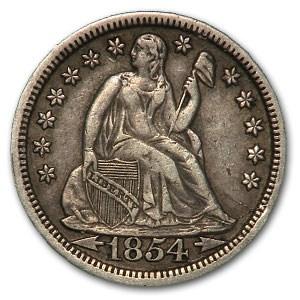
The coin features Lady Liberty seated on a rock holding a shield In one hand and a liberty pole topped with a cap in the other. That imagery is just classic American symbolism, and the design shifted subtly through the years, giving collectors a variety of types to chase. Most notably, the earliest versions didn’t have stars on the obverse, which changed not too long into production.
Varieties and Design Changes
The Liberty Seated Dime saw several design variations over its 54 years in production. Here’s a quick rundown:
No Stars on Obverse (1837–1838) – Very early versions had a plain obverse with no stars.
Stars on Obverse (1838–1853) – Stars were added around Liberty to frame the image.
Arrows at Date (1853–1855, 1873–1874) – These indicated a change in weight standards.
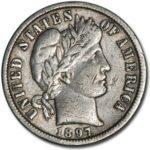
Legend Obverse (1860–1891) – The obverse legend changed to read “United States of America,” replacing the stars.
Liberty Seated Dimes were minted in Philadelphia, New Orleans, San Francisco, and Carson City. Each mint mark can add to the coin’s rarity and desirability. And let’s not forget about the double dies, repunched dates, and some wild error coins that turn up from time to time!
Valuation Chart
Year | mint mark | Variety/Notes | Price Range (Common Grades) |
|---|---|---|---|
1837 | No MM | No Stars | $40 – $300+ |
1838 | No MM | Stars Added | $35 – $200+ |
1840 | O | Stars, Drapery | $40 – $250+ |
1844 | No MM | “Little Orphan Annie” key date | $100 – $800+ |
1853 | No MM | Arrows at Date | $35 – $150+ |
1856 | O | Stars on Obverse | $60 – $300+ |
1860 | No MM | Legend Obverse | $25 – $120+ |
1861 | No MM | Civil War Era | $30 – $175+ |
1873 | No MM | Arrows at Date | $40 – $250+ |
1874 | CC | Carson City Mint | $100 – $1,200+ |
1875 | S | Legend Obverse | $30 – $140+ |
1876 | CC | Carson City Key | $150 – $900+ |
1891 | No MM | Final Year | $25 – $120+ |
NOTE: This chart highlights some notable years and types but isn’t exhaustive. Some coins in uncirculated or certified high grades can fetch thousands.
Key Dates and Varieties
1844 (“Orphan Annie”) – One of the key dates in the series with low mintage.
1873-CC – Very rare and highly sought-after; pricey even in low grades.
1874-CC – Lower mintage Carson City coin; strong value.
Double Dies – Found throughout the series, mostly on obverses.
Repunched Dates – Several coins show clear RPDs.
Misplaced Digits – Look around the denticles; fun to find.
Multi-Struck Coins – Some show clear signs of double or triple striking.
Historical Context by Year
1837 – First year of issue, struck only in Philadelphia. Kicked off the Seated Liberty design.
1840s – Mint expansions brought New Orleans into the mix. These saw steady use across the expanding U.S.
1853 – Arrows added to the date to indicate a reduction in silver content. This was part of a larger effort to prevent hoarding.
1860 – Major redesign with legend added to obverse. Marked a more formal and stately look.
1861–1865 – Civil War coins. Many melted or heavily circulated, harder to find in nice shape.
1873 – Arrows returned due to another silver content tweak. CC mint becomes more active.
1891 – Final year of the Seated Dime.
Final Thoughts
The Liberty Seated Dime is one of the most rewarding U.S. coins to collect. Spanning from 1837 to 1891, it covers a transformative era in American history—from the early days of westward expansion to the dawn of the industrial age. It’s got just the right balance of historical depth, design evolution, and collecting challenge—without being completely out of reach for most collectors. Whether you’re working on a basic date set or diving into the deeper waters of varieties and rarities, there’s always something new to discover.
This series saw changes in everything from stars and arrows to legends and mint marks, giving you plenty of room to tailor your collecting goals. Are you drawn to branch mint coins from Carson City or New Orleans? Hunting down Civil War-era issues? Or maybe chasing down those overlooked error coins? There’s a lane for you. Even the lower-grade, well-worn examples have their own appeal.
Keep an eye out in local coin shops, small-town antique stores, or even dealer bins at shows. You never know what you’ll find, and sometimes those modest-looking dimes are the most satisfying pickups.