
Brockages
A brockage error is one of the most exciting and highly coveted types of coin error. It occurs when a coin is struck with an image of another coin’s design — the opposite side of the coin that was struck before. This results in an image on one side of the coin but no design on the opposite side. The struck coin appears as though it has a “ghostly” imprint of the design from the previous coin it was struck with. The coin’s reverse side is often the source of the brockage imprint, while the obverse remains clear of design details.
How Do They Occur?
-
First Coin Strikes the Die: The process begins as normal when the first coin is struck with the upper hammer die. This creates a perfectly normal coin with both the obverse and reverse designs clearly visible.
-
Coin Sticks to the Die: However, in the case of a brockage, the first coin is not ejected properly from the die and instead becomes stuck to the die. The struck coin then becomes stuck to the die, which creates the possibility for the next coin to encounter an error.
-
New Coin Imprints the Stuck Coin: When the next planchet (blank) is fed into the press, it is struck by the stuck coin. The design of the stuck coin is transferred onto the new coin — this imprint is typically on the reverse side of the new coin, while the obverse remains intact.
-
The Variety & Errors Master Guide
Get the comprehensive, offline guide to coin varieties and errors. Perfect for your next coin show or estate sale.
Get the Digital Guide →Reverse Design Becomes the Die: The stuck coin’s reverse design forms the die surface for the next coin. As the new planchet strikes the now-stuck coin, the design from the reverse of the first coin gets transferred to the new blank coin, while the obverse of the new coin remains unaffected.
-
Struck Coin Breaks Free: Eventually, the stuck coin is ejected from the die, either because the metal becomes too weak to hold it, or the pressure from repeated strikes causes it to break free.
Key Features of Brockage Errors
-
Obverse of the Coin Remains Unaffected: Typically, the obverse side of the coin remains clean, while the reverse side carries the image from the previous coin. This “ghostly” image gives the coin its signature look and is the defining characteristic of the error.
-
No Reverse Design on the Coin: The side of the coin that normally holds the reverse design shows a mirror image or a partial impression of the design. This happens because the struck coin has essentially been used as a die for the new coin.
-
Coin with a Double Image: Often, brockage errors result in a double image or partial design on the reverse. The image might be slightly off-center or distorted, but the key feature is the striking of the design on one side of the coin only, with the reverse having no design.
-
Rarity: Brockage errors are rare because they occur under specific minting conditions. The conditions that allow a coin to stick to the die and then transfer its design to a new coin are not commonly found during regular coin production. This rarity makes brockage error coins highly desirable and valuable.
Types of Brockages
Type of Brockage Error |
Description |
|---|---|
Single Brockage |
The most common type of brockage, where a struck coin has one side (usually the reverse) imprinted with the design from a previously struck coin. |
Double Brockage |
Rare cases where a coin experiences two strikes — first, a brockage of one coin onto the next, and then a second brockage strike occurs, giving the coin a double image on one side. |
Full Brockage |
Occurs when a coin becomes stuck to the die and then is struck multiple times, resulting in the design being fully replicated on both sides of the struck coin. |
Partial Brockage |
A coin where the brockage impression is incomplete or partially distorted, often resulting in the ghostly image being off-center or appearing only partially on the reverse. |
Reverse Brockage |
A brockage error where the reverse of the coin is struck with the reverse design of the previous coin, leaving the obverse design clean. The brockage effect is visible on the reverse side. |
Brockage Examples
-
Cent Struck with Quarter Design: One notable example of a brockage error is when a penny is struck with the reverse design of a quarter, resulting in a penny with a ghostly image of a quarter’s reverse on one side.
-
Dime with Double Brockage: A dime with a double brockage error can have two faint impressions of the reverse design on one side, causing the coin to appear almost “double-struck” in some areas. These coins are rare and often fetch higher premiums.
-
Rare Half Dollar Brockage: A half dollar with a brockage error can be especially valuable, especially if it shows a full brockage, meaning both the obverse and reverse are fully impressed with the designs of two different coins.
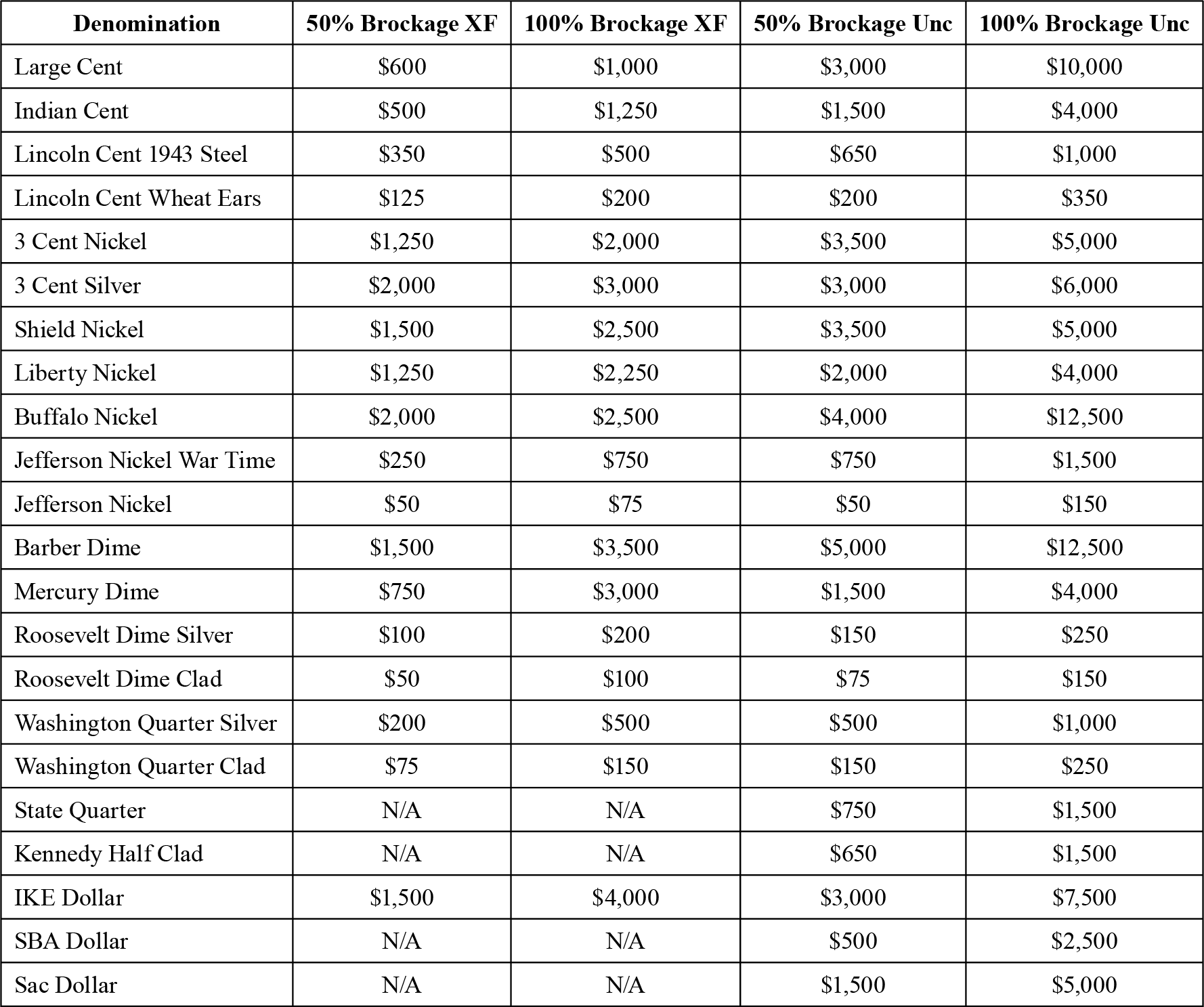
Valuation Chart
Coin Type / Denomination |
Error Type |
Condition |
Estimated Value Range |
Notes |
|---|---|---|---|---|
Cent |
Single Brockage |
Low |
$50 – $500 |
Common with small denominations, but still valued for the ghostly brockage effect. |
Nickel |
Double Brockage |
Medium |
$500 – $1,500 |
Rare error, highly collectible for multiple images or overlapping brockage designs. |
Dime |
Partial Brockage |
Medium |
$250 – $2,000 |
Partial brockage or distorted designs on a clean obverse make these coins valuable. |
Quarter |
Full Brockage |
High |
$1,500 – $5,000+ |
A full brockage on a quarter is a sought-after error, fetching strong premiums. |
Half Dollar |
Reverse Brockage |
High |
$5,000 – $15,000+ |
Rare and desirable, reverse brockage errors on half dollars tend to bring significant value. |
Final Thoughts
-
Highly Collectible: Brockage error coins are highly collectible due to their rarity and the unique nature of their formation. Coins with distinct brockage impressions often become star pieces in coin collections, especially if they show multiple strikes or full images on both sides.
-
Condition and Rarity: Like most errors, the rarity of brockage errors can affect their value. The more unique or well-formed the error, the higher the premium it will command. Coins in excellent condition with clear brockage images will typically fetch the highest prices.
-
Historical Significance: For collectors interested in minting history, brockage errors offer a rare glimpse into the mechanics of coin production. The error reveals how coins sometimes malfunction in the minting process, making these pieces valuable to both numismatists and history enthusiasts.
-
Rare and Expensive: Brockage errors are some of the most sought after and expensive coins in error coin collecting. Their rarity and unique appearance make them highly prized among coin collectors, and they are often featured in major auction houses.
Brockage error coins are like the ultimate “wow” factor in the world of coin collecting. These errors occur when a coin is struck, and then it gets stuck to the die or another coin, getting struck again—creating a shadowed, inverted image of the original design on the coin. It’s like the coin accidentally duplicates itself, leaving behind a bold, ghostly impression. The result is a striking visual anomaly that’s incredibly intriguing, especially for collectors who appreciate rare and unusual minting mishaps.
Additional Price Guide Entries:
Wrong Planchet / Off Metal Errors
Bonded Coins
Additional Price Guide Entries: