
Adjustment Strikes
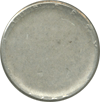
An adjustment strike error is one of the more unusual and intriguing types of coin error. It occurs during the minting process when the U.S. Mint adjusts the pressure used by the dies to ensure the coins are struck with the right force. These coins are often very faint in design or struck with weak pressure, which leads to what is commonly known as a “die trial” or “die adjustment strike error.”
How Do They Occur?
-
Calibration of Die Pressure: When a new series of coins is to be produced or new dies are introduced, the minting press must be calibrated to ensure that it strikes the coins with the proper force. If the pressure is too high, it risks damaging the die, and if the pressure is too low, the coin may be struck too faintly.
-
Weak Strikes During Calibration: As the mint calibrates the striking pressure, the first few strikes are typically weak or incomplete, producing faint images or even partial strikes. These weakly struck coins are part of the calibration process.
-
Die Trials: These initial test strikes, which are not meant for circulation, are referred to as die trials. They help determine the correct pressure needed for proper coin production. These coins typically have faint designs and are sometimes only partially struck.
-
Rare to Find in Circulation: Since these coins are discarded after being struck (usually destroyed), they are quite rare. It’s extremely unusual for them to be found in circulation, but some have made their way into the hands of collectors or dealers over the years.

Key Features of Adjustment Strikes
-
Weak or Faint Strikes: The most defining characteristic of an adjustment strike is a weak design that lacks detail, making the coin look like it’s been struck with very low pressure. The details of the coin may appear blurry, indistinct, or faint, especially the fine features like the legend, date, or small details in the design.
-
Partial or Incomplete Strikes: The coin may not have received a full strike, leaving parts of the design missing or only partially visible. This can occur if the coin was struck before the minting press was adjusted to its final pressure setting.
-
No Visible Errors on Die: Unlike other coin errors that may have a clearly visible issue on the die (like a crack or gouge), the issue here is purely the adjustment of pressure, meaning no unusual features or errors are found on the die itself. Instead, the issue lies in the strike of the coin.
Types of Adjustment Strikes
Type |
Description |
|---|---|
Light Adjustment Strike |
A coin struck with very weak pressure, showing significant weakness in the design, especially on high points. |
Partial Adjustment Strike |
A coin that shows only partial design or features because the die pressure was still being calibrated. |
Full Die Trial Coin |
A coin struck as part of the final adjustment phase, showing multiple weak impressions across the entire design. |
Double Strike in Adjustment |
A coin that was struck twice in the early calibration phase with faint, weak impressions from both strikes. |
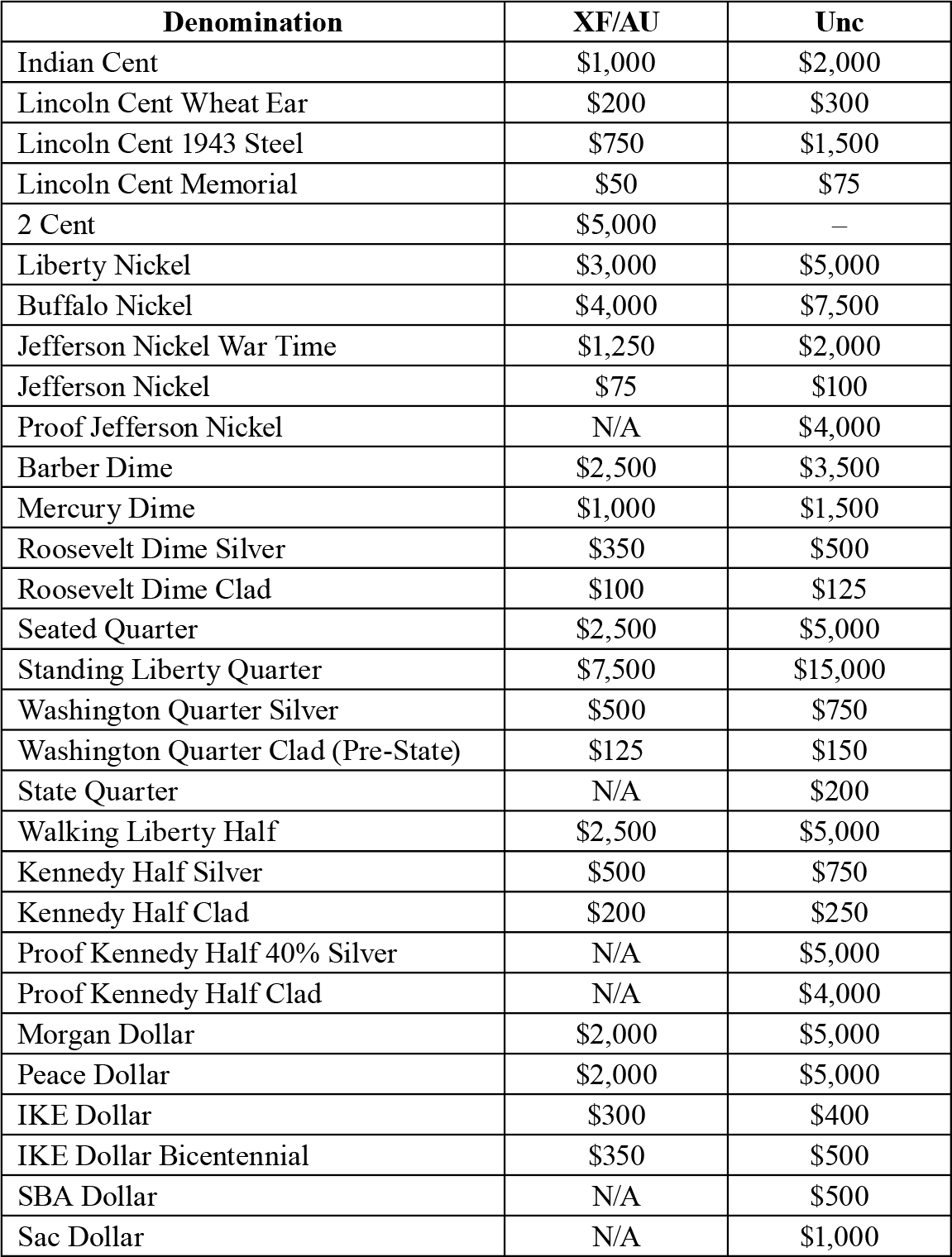
Valuation Chart
Coin Type / Denomination |
Error Type |
Visibility |
Estimated Value Range |
Notes |
|---|---|---|---|---|
Cent / Nickel |
Light Adjustment Strike |
Low |
$25 – $250 |
Coins with weak or partially struck designs in general circulation. |
Dime / Quarter |
Partial Adjustment Strike |
Medium |
$100 – $500 |
More visible weak strikes on higher-value denominations. |
Half Dollar / Dollar |
Full Die Trial Coin |
High |
$1,000 – $15,000+ |
Coins with the most complete die trial characteristics, especially in rare series. |
Certified Adjustment Coins |
Any Coin |
Very High |
$5,000 – $25,000+ |
Graded coins with high-definition weak strikes bring in the highest premiums. |
Final Thoughts
-
Rarity and Appeal: Adjustment strike coins are considered rare by their very nature since they are often destroyed by the mint. As such, they are highly prized by collectors who seek out these unique and historically significant pieces.
-
Historical Context: These errors are of particular interest to those studying the minting process and the evolution of U.S. coinage. They are tangible examples of the careful calibration needed to produce a perfect strike.
-
Demand in Market: Collectors of U.S. mint errors or those focused on specific series often pursue adjustment strike coins, with those showing stronger or clearer designs being the most valuable.
-
Graded vs. Ungraded: As with other coins, the value of adjustment strike errors can significantly increase when they are professionally graded, particularly if the weak strikes are clearly visible.
Adjustment strike errors represent a fascinating aspect of the minting process, and their rarity makes them highly desirable for collectors who are passionate about coin production and errors. Whether a faint strike or a more significant die trial, these coins offer a glimpse into the meticulous process of coin production and are truly one-of-a-kind items for any collection.
Additional Price Guide Entries:
Wrong Planchet / Off Metal Errors
Bonded Coins
Additional Price Guide Entries:
Wrong Planchet / Off Metal Errors