

Counter Brockages
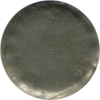
A counter brockage error coin is a relatively rare and fascinating error that occurs during the minting process. This error combines elements of both brockage and counterstamp errors, which are typically seen in separate error categories, creating a unique piece for collectors.
How Do They Occur?
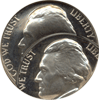
A counter brockage error happens when a coin that has already undergone the brockage process (i.e., one side has an imprint of a different coin) is then struck again, but this time with a design from a different die (or sometimes even a re-strike of the same die). The result is a coin with the brockage design on one side, while the opposite side might feature the design from another coin or a counterstamp.
Unlike a standard brockage, which typically features just one coin’s design (the “ghost” design) on the opposite side, the counter brockage creates a coin that shows evidence of multiple minting errors — one side retains the brockage design, while the other might feature a secondary error, such as a counterstamp or an image from another coin’s design.
Initial Brockage Error: The first step in the formation of a counter brockage error is the brockage process, where one coin gets stuck to the die. This coin then strikes the next planchet, transferring the reverse design onto the obverse side of the second coin, creating a brockage error.
Secondary Strike: The key differentiator of the counter brockage is that the brockage coin is struck a second time with a different die or sometimes even the same die, resulting in a counter- stamped or additional design appearing on the coin. This can be a different denomination, a different mint, or another form of imprint that is not part of the coin’s original design.
Double Error Coin: Essentially, the result is a double error where you see the effects of both brockage and a secondary minting issue (such as a counterstamp, a different die strike, or even overlapping designs). This results in a coin with a multifaceted error — it might have one side with the brockage error and the other with a clear counterstrike.
Key Features of Counter Brockages
Brockage with Secondary Strike: Unlike a typical brockage, the counter brockage features two types of errors: the original brockage error (ghosted reverse on one side) and a secondary design (a counterstamp or other die imprint) on the opposite side.
Ghostly Image with Counter Design: The brockage side of the coin retains the image of the coin struck previously, while the reverse side might show either a complete design from another coin or a counterstamped mark.
Extremely Rare: Counter brockages are incredibly rare because they require a very specific series of events — a coin must first undergo a brockage error, and then, in a separate minting action, the coin must be struck again with a different die or design.
Types of Counter Brockages
Type of Counter Brockage Error | Description |
|---|---|
Coin with Counterstamp | The brockage error coin is struck once more with a counterstamp (a mark or image from a different die). This can occur when a mint mistakenly uses an already struck coin in the die press. |
Coin with Different Denomination Design | A brockage error coin is struck again, but this time with a die for a completely different coin denomination, like a penny struck on a quarter die or vice versa. |
Overlapping Brockage Design | The brockage coin is struck a second time with the same design die, causing an overlapping design with additional imperfections. These can include a faint double design or a partial brockage on the second strike. |
Multi-Coin Counter Brockage | An especially rare form of counter brockage where the struck coin features multiple different coins’ designs, creating an error with several unique images from multiple denominations. |
Example of Counter Brockage Errors
Half Dollar with Penny Brockage and Counterstamp: A half dollar featuring a brockage of a penny’s reverse, with the obverse of the half dollar featuring a counterstamp from a completely different die or design. This coin is highly desirable for its two distinct errors.
Quarter Struck on Penny Planchet with Dime Counterstamp: A quarter struck on a penny planchet, creating a brockage error with a penny design. The obverse of the quarter may have a dime’s counterstamp applied due to minting errors with dies.
Nickel with Partial Brockage and Overlapping Design: A nickel that was struck twice — the first strike produced a brockage error, and the second strike caused a slight overlap of design due to the die misalignment or secondary minting issue.
Valuation Chart
Coin Type / Denomination | Error Type | Condition | Estimated Value Range | Notes |
|---|---|---|---|---|
Penny | Counter Brockage with Counterstamp | Low to Medium | $500 – $2,000 | Counterstamped pennies with brockage errors can fetch impressive premiums, especially if the counterstamp is rare. |
Nickel | Coin with Different Denomination Design | Medium to High | $1,000 – $3,000 | A nickel with a penny brockage and quarter counterstamp can draw strong interest from collectors. |
Dime | Overlapping Brockage Design | High | $3,000 – $8,000 | Rarer examples, where design overlap and brockage occur, may command premium prices at auctions. |
Quarter | Multi-Coin Counter Brockage | Very High | $10,000 – $30,000+ | Multi-coin counter brockages featuring different denominations’ designs are among the rarest and most valuable. |
Half Dollar | Coin with Counterstamp | High | $5,000 – $15,000+ | A half dollar with a brockage of a penny and counterstamp of a different denomination is considered exceptionally rare. |
Final Thoughts
Multifaceted Errors: The counter brockage error coin is one of the most fascinating and intricate errors because it combines two distinct types of minting mistakes. This makes it a particularly prized possession for serious collectors.
Difficulty in Finding: Finding a counter brockage coin is extraordinarily rare, making these coins valuable even in lower grades. Coins with multiple errors, like a brockage combined with a counterstamp, are highly desirable, especially if they come from historical or well-known mints.
Value Determinants: The rarity of the second error, the condition of the coin, and the severity of the brockage all play a role in determining the value of a counter brockage error coin. For instance, a coin that features clear and undistorted images of the brockage and counterstrike is likely to fetch a higher premium.
Counter brockage error coins are some of the most intriguing anomalies you can find in the world of numismatics. These coins represent a unique blend of two distinct minting errors that combine to create something truly special.
Essentially, counter brockage occurs when a coin becomes stuck between two planchets (blanks), gets struck by the die, and then is ejected while partially stuck to another coin. The result is a coin with the reverse of one coin “brockaged” onto the obverse of another, creating a fascinating double-layered error.
If you manage to get your hands on one of these, you’re holding more than just a unique error—you’re holding a coin with layers of minting oddities that will stand out in any collection. Because of their rarity and the intriguing nature of their dual errors, counter brockage coins tend to command attention and fetch solid prices on the market.
Whether you’re a seasoned collector or just starting out, these quirky coins offer a fascinating look at the unpredictable world of coin production.
Additional Price Guide Entries:
Wrong Planchet / Off Metal Errors
Bonded Coins
Additional Price Guide Entries: